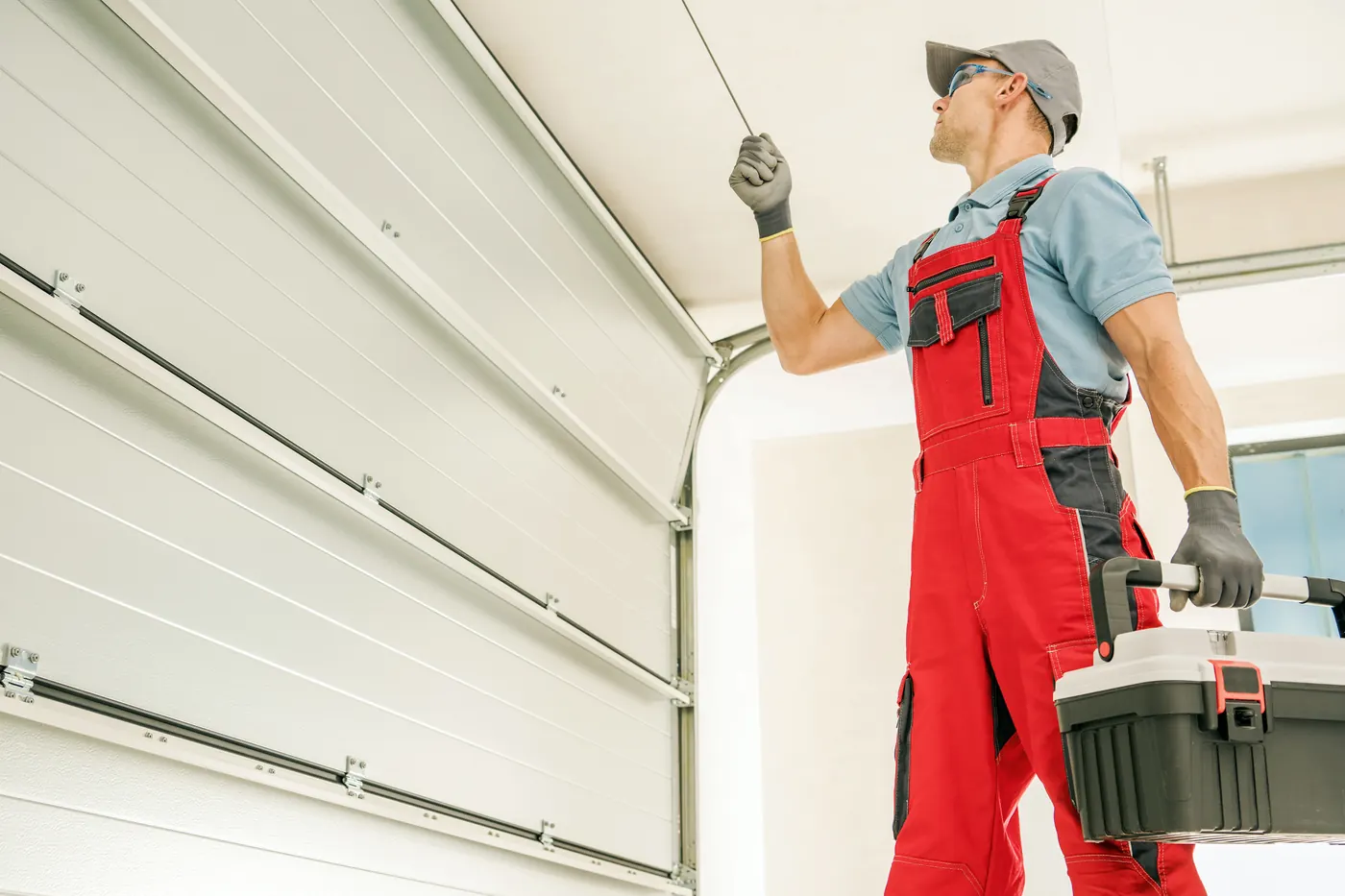
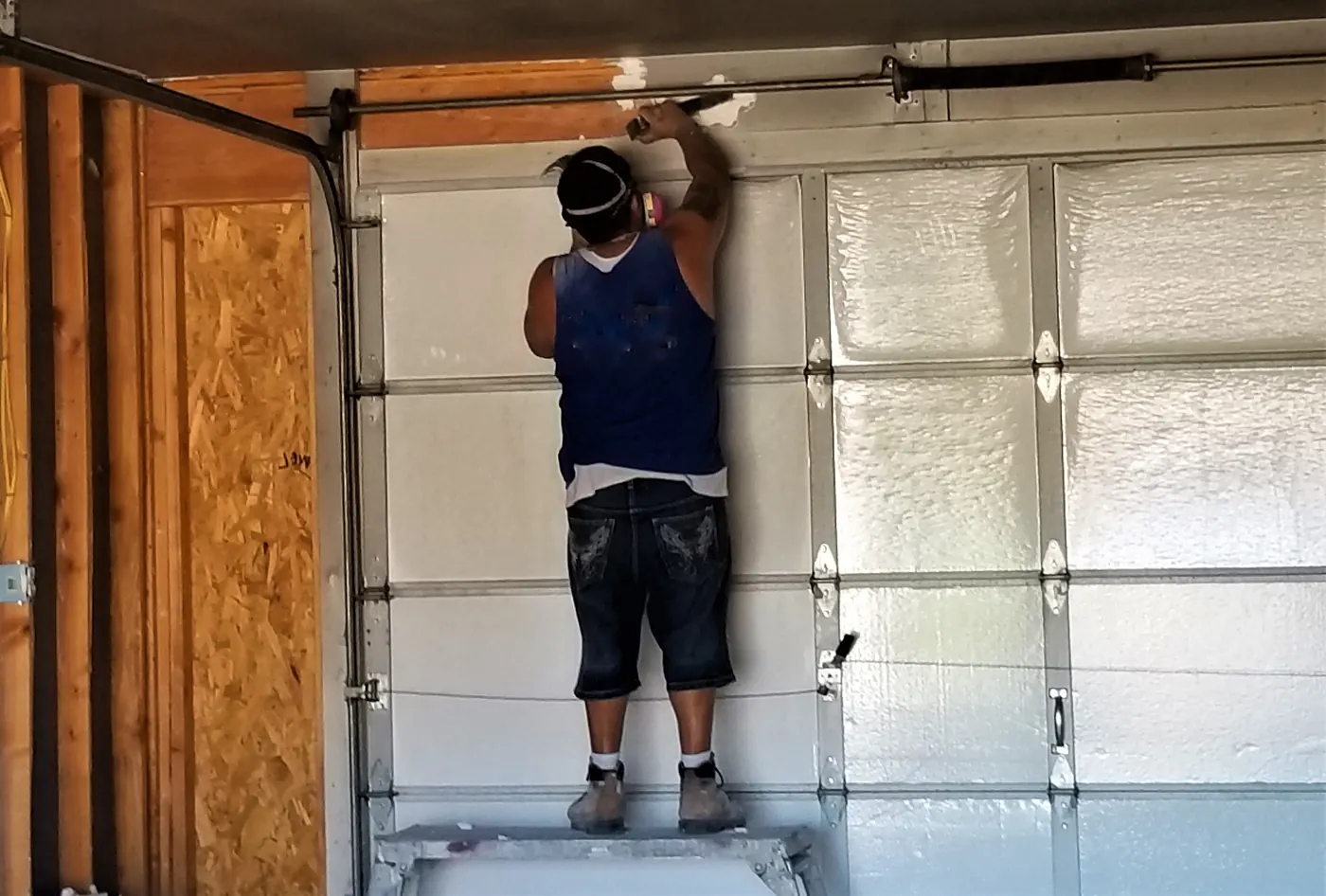
A New Opener That Fits Your Door and Your Household
A garage door opener is one of those machines you barely think about until it starts groaning, stalls halfway, or leaves you sitting in the driveway pressing a remote that does nothing. For many families it is also the main way in and out of the house, which makes a dependable opener more important than most people realize. Our opener installation service covers everything from helping you choose a drive type to mounting the rail, wiring the safety sensors, programming remotes and keypads, and fine-tuning the force and travel settings so the door moves smoothly and stops safely.
We install openers in homes across Germantown and the surrounding area, from split-levels built in the 1970s off Mequon Road to newer subdivisions where the garage sits directly under a bedroom. Every garage is a little different. Ceiling height, door weight, track layout, available power outlets and how much noise you can tolerate all affect which opener makes sense. Instead of handing you a one-size-fits-all unit, we look at the door you have and the way you use it, then recommend options that match.
Signs It Is Time for a New Opener
Some openers keep running for a long time with basic care, while others start showing their age sooner. These are the most common reasons Germantown homeowners call us about a replacement rather than a repair:
- The opener is old enough that it lacks photo-eye safety sensors or a reliable auto-reverse feature.
- It has become noticeably louder, with grinding, rattling or a vibration you can feel in the room above.
- The door hesitates, stalls or reverses for no clear reason, even after the sensors and tracks check out.
- Remotes have weak range or the unit uses an older fixed-code system that is less secure than modern rolling-code technology.
- You have already paid for one or two major repairs and the next one would cost a large share of a new unit.
- You want features your current opener cannot offer, such as battery backup, smartphone control or a wall-mount design that frees up ceiling space.
- You just installed a heavier insulated door and the old motor struggles to lift it.
If you are not sure whether your current unit is worth saving, our garage door opener repair team can diagnose it first and give you an honest comparison between fixing it and replacing it.
Opener Drive Types Explained
The drive system is the part that actually moves the door along the rail, and it has the biggest effect on noise, maintenance and how the opener feels day to day. Here is how the main types compare.
Chain Drive
A metal chain pulls a trolley along the rail, much like a bicycle chain. Chain drives are durable, handle heavy doors well and are a budget-friendly choice. They are louder than other types, so they tend to suit detached garages or homes where nobody sleeps right above the door.
Belt Drive
A reinforced rubber or polyurethane belt replaces the chain, which makes for a much quieter, smoother ride. Belt drives are a favorite for attached garages, especially when there is a bedroom, nursery or home office overhead. They need very little maintenance beyond an occasional tension check.
Screw Drive
A long threaded steel rod turns to move the trolley. Screw drives have fewer moving parts and are strong and fairly quick, though they can be noisier than belts and some models are sensitive to big temperature swings. They benefit from periodic lubrication of the rod.
Direct Drive
In a direct-drive opener, the motor itself travels along a stationary chain inside the rail. With only one moving part, these units run very quietly and smoothly and have a reputation for low maintenance. They are a good fit when noise and simplicity are top priorities.
Wall-Mount (Jackshaft)
Instead of hanging from the ceiling, a wall-mount opener attaches beside the door and turns the torsion bar directly. That clears the ceiling for storage racks, a car lift or a high-lift track, and it is very quiet. It requires a torsion spring system and suitable wall space, which we confirm before recommending one.
Horsepower, Power and Choosing the Right Strength
Opener strength is usually listed in horsepower, or in some newer DC-motor models as a lifting force rating. More power is not automatically better. What matters is that the motor comfortably lifts your specific door without straining. A properly balanced door is held up mostly by its springs, so the opener is really guiding the door rather than hoisting its full weight.
As a general guide, a lighter single-car steel door is often well served by a mid-range motor, while a double-wide insulated steel door, a wood carriage-house door or a door with heavy glass sections usually calls for a stronger unit. DC motors are increasingly common because they start and stop softly, run quietly and pair easily with battery backup. During our visit we weigh the door's construction, size and spring condition before suggesting a motor size. If the springs are worn or mismatched, we will tell you, because a new opener will not last long fighting an unbalanced door. In that case our spring replacement service may be the right first step.
Features Worth Considering
Modern openers do a lot more than raise and lower a door. These are the features Germantown homeowners ask about most often.
Battery Backup
Spring storms and winter ice can knock out power, and that is exactly when you least want to wrestle a heavy door by hand. A battery backup lets the opener cycle a number of times during an outage so you can get the car in or out.
Smart and Wi-Fi Control
Built-in Wi-Fi or an add-on hub lets you open, close and check the door from your phone. You can get alerts if the door is left open, grant access to a dog walker or family member, and confirm the door shut after you left for work.
Keypads and Remotes
An exterior keypad lets kids and guests get in without a key, and new rolling-code remotes change the signal every time they are used for better security. We program every remote, keypad and car system you want connected.
Quiet Operation
Belt drives, direct-drive units, wall-mount openers, DC motors and soft start-stop all reduce noise. We also use vibration-isolating mounting where it helps, which makes a real difference in rooms above an attached garage.
Lighting and Motion Sensing
Brighter LED lighting built into the opener, and in some cases motion-activated lights, make it much easier to walk safely through a dark garage on a January evening.
Wall Controls
Upgraded wall buttons can include a lock-out mode that disables remotes while you are away, a separate light switch and a display showing door status or the time.
Not Sure Which Opener Is Right for Your Garage?
Tell us about your door and how you use your garage, and we will walk you through drive types, motor size and features that fit your home. You will get an upfront price before any work starts. Call [Phone Number] or request a quote online.
Get a Free QuoteWhat Happens During Your Installation Visit
A good opener installation is about more than bolting a motor to the ceiling. Here is how we handle a typical job in Germantown and nearby towns.
- Inspect the door first. We check the springs, cables, rollers, hinges and tracks and test the door's balance by hand. An opener should never be installed on a door that is binding or badly out of balance.
- Confirm the fit. We measure ceiling height, door height and headroom, check the location of the outlet and look at the header for a solid mounting point. For wall-mount units we confirm the torsion bar and wall clearance.
- Remove the old opener. We take down the old unit, rail and brackets, and haul them away if you would like.
- Mount and assemble. We install the header bracket, rail, motor head and hangers, using sturdy bracing so the unit does not shake or sag over time.
- Install safety sensors and controls. Photo-eye sensors go on each side of the door near the floor, aligned and wired cleanly. The wall control is placed out of small children's reach.
- Set travel and force limits. We program the open and close positions and adjust the force settings so the door closes fully but reverses promptly if it meets an obstruction.
- Test auto-reverse and program accessories. We test the auto-reverse with an object on the floor, check the photo-eyes, and program remotes, keypads, car buttons and smart features.
- Walk you through it. Before we leave, we show you how to use the manual release, how to reconnect the trolley, and the simple monthly checks that keep everything working well. We also explain the warranty on parts and labor at the visit.
Safety Sensors and Auto-Reverse: Non-Negotiable
Every opener we install includes photo-eye safety sensors and a properly set auto-reverse system. The photo-eyes project an invisible beam across the bottom of the door opening. If anything breaks that beam while the door is closing, whether a child, a pet, a bike or a recycling bin, the door stops and reverses. Separately, the opener monitors resistance, so if the door contacts something the beam missed, it backs off.
These systems only work if they are set up correctly. Sensors mounted too high can miss a small child or pet, and force settings cranked up to overcome a sticky door can make the door push hard against an obstacle before reversing. That is why we fix underlying door problems instead of masking them with more force. After installation, we recommend a simple monthly test: lay a short piece of two-by-four flat on the floor where the door closes. The door should touch it and reverse. Also wave something through the photo-eye beam while the door is closing to make sure it stops. If either test fails, stop using the opener and give us a call.
One more important note: the opener does not hold the door up, the springs do. Never try to adjust, loosen or remove torsion springs or the cables attached to them yourself. They are under a great deal of tension and can cause serious injury. If a spring or cable looks damaged, leave it to a trained technician through our cable replacement or spring service.
Quiet Options for Attached Garages
Plenty of homes in Germantown have living space above or beside the garage, and an older chain drive can sound like a freight train in the bedroom overhead. If noise is a concern, a belt drive, direct-drive or wall-mount opener paired with a DC motor is usually the quietest combination. Soft start and stop features keep the door from jolting at the beginning and end of each cycle, which reduces both noise and wear.
The door itself matters too. Worn steel rollers, dry hinges and loose hardware add a lot of clatter that no opener can hide. Upgrading to nylon rollers through our roller replacement service and tightening the hardware can make a quiet new opener sound even quieter. We will point out any of these issues during the visit so you can decide what is worth addressing.
Built for Wisconsin Winters
Cold weather is hard on openers. Grease stiffens, metal contracts and weather seals can freeze to the concrete, all of which make the motor work harder. Sub-zero mornings in Washington County can make an older, underpowered opener stall or reverse. When we install a new unit, we choose a motor with enough reserve for your door in cold conditions and set the force limits carefully so the opener copes with winter without becoming unsafe.
Some of our practical cold-weather tips: keep the bottom seal clear of ice and slush tracked in from salted roads, use a garage-rated lubricant on rollers and hinges in the fall, and consider a battery backup so a winter storm does not leave you stuck. If your door itself is old, drafty or badly worn, it may make sense to pair the new opener with a new garage door installation so both pieces are matched from the start.
Why Germantown Homeowners Call Us
We are a local garage door company focused on Germantown and the nearby communities of Menomonee Falls, Richfield, Jackson, Colgate, Hubertus, Lannon, Mequon, Sussex, Cedarburg and West Bend. We work on most major door and opener brands, so we can give you a straight recommendation based on your door rather than steering you toward a single product line.
- Clear options explained in plain language, with honest advice about which features you will actually use.
- An upfront price before work starts, so there are no surprises when the job is done.
- A full door inspection with every installation, not just a motor swap.
- Careful safety setup and testing of photo-eyes and auto-reverse on every job.
- Tidy work, with old equipment removed if you want it gone.
Garage Door Opener Installation FAQ
How long does a new opener installation take?
Most standard ceiling-mount installations are completed in a few hours, including removing the old unit, setting limits, testing safety features and programming remotes. Wall-mount openers, unusual ceilings or doors that need repairs first can take longer. We will give you a realistic time frame when we schedule.
Which opener is quietest for a garage under a bedroom?
Belt drive, direct-drive and wall-mount jackshaft openers with DC motors are generally the quietest. Fixing worn rollers and loose hardware on the door helps just as much. We can recommend the best combination for your Germantown home after seeing the garage.
Can I keep my existing remotes and keypad?
Sometimes, but often not. Older remotes may use a different radio frequency or code system than a new opener. In most cases new rolling-code remotes and a new keypad come with or work best with the new unit, and we program everything before we leave.
Will a new opener work with my car's built-in garage button?
Many vehicles can be programmed to work with modern openers, though some combinations need a small adapter. We will check compatibility and help set up your car buttons during the visit when possible.
Do I need a new opener if I am getting a new garage door?
Not always. If your current opener is in good shape, has working safety sensors and is strong enough for the new door, it can stay. If it is older, noisy or underpowered for a heavier insulated door, replacing both at once is often the more sensible choice.
Is battery backup worth it in Germantown?
For many households, yes. Storms and winter weather do cause outages, and a battery backup lets you open and close the door a number of times without power. It is especially helpful if the garage is your main entrance or if lifting the door by hand is difficult for anyone in your home.