What Garage Door Lift Cables Do
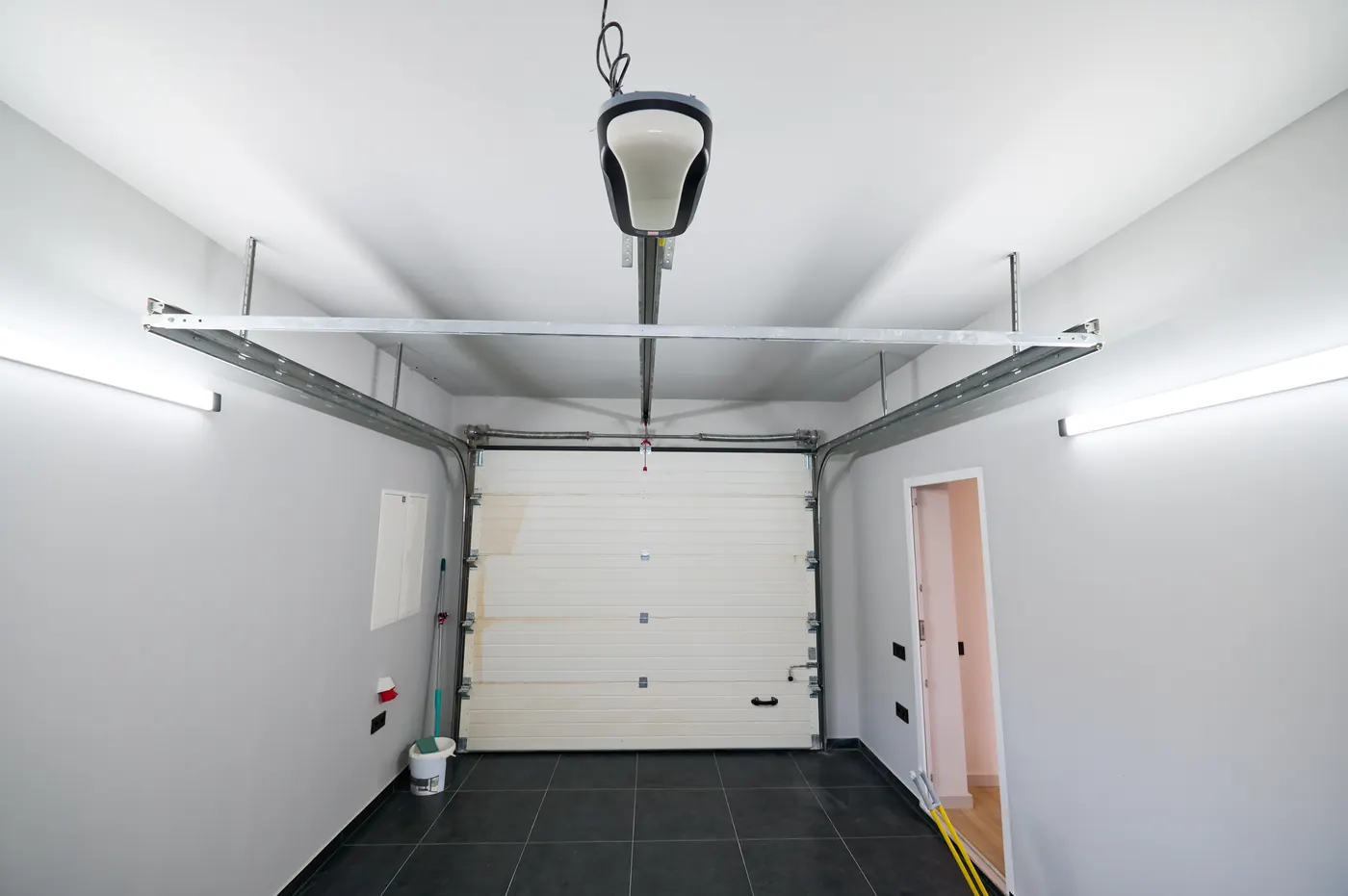
Lift cables are thin, tough steel wire ropes that connect the bottom corners of your garage door to the spring system. On a torsion spring door, each cable runs from a bottom bracket on the door up to a grooved drum at the end of the spring shaft above the opening. As the springs unwind, the drums turn and wind the cables, lifting the door evenly from both sides. On an extension spring door, the cables run through pulleys and connect to the stretched springs along the tracks.
Because the cables carry the door's weight and the spring's force, they are under heavy tension whenever the door is closed. That makes them both critical and potentially dangerous. A single frayed strand can be the beginning of a failure that leaves the door hanging crooked, jammed in its tracks, or unable to move at all.
Our garage door cable repair service in Germantown covers inspection, replacement and rebalancing for both torsion and extension spring doors. We also look closely at the parts the cables depend on, because a cable problem is often a symptom of something else.
Signs of a Cable Problem
Cable issues often start small. A careful look from a safe distance can reveal trouble before the cable lets go. Call us if you notice:
- Frayed, broken or unraveling strands, especially near the bottom bracket
- Rust or discoloration along the cable, often worst near the floor
- A cable that hangs slack or loose when the door is closed
- A cable that has jumped off its drum or is wrapping unevenly in the grooves
- The door rising or closing crooked, with one side higher than the other
- A gap under one side of the door when it is fully closed
- Rollers coming out of the track or the door binding as it moves
- A snapping sound followed by a door that tilts or stops
If you see any of these, stop using the opener. A door with a failed cable on one side can twist in its tracks and damage panels, rollers and track sections if it keeps running.
Why Garage Door Cables Fail
Cables do not fail at random. Most breakdowns trace back to a few clear causes, several of which are made worse by the Wisconsin climate.
Rust and Corrosion
The bottom of the cable sits near the garage floor, where melting slush and road salt collect all winter. In Germantown garages, rust often starts at the bottom bracket and slowly weakens the wire from the inside.
Normal Wear
Each cycle bends the cable around the drum or pulley. Over years of use, individual strands fatigue and break, and the cable gradually loses strength.
Slack and Slipping
If the door meets an obstruction or the opener keeps pushing when the door is stuck, the cable can go slack and jump off the drum. Once off, it can tangle or wrap incorrectly.
Worn Drums or Pulleys
Damaged drum grooves or a worn pulley can cut into the cable and cause uneven winding. Replacing the cable without fixing the drum often leads to another failure.
Spring Problems
When a spring breaks, the sudden change in tension can throw a cable off its drum. Cable trouble and spring trouble often show up together.
Damaged Bottom Brackets
Rusted or bent bottom brackets can loosen the cable's anchor point. This is common on older doors that have been through many winters.
How Cables, Drums and Springs Work Together
It helps to think of the cables, drums and springs as one lifting system. The springs provide the force. The drums turn that force into winding motion. The cables carry the load to the door. If any one of these parts is worn or mismatched, the others feel it.
For example, if one cable stretches or is wound with a different number of wraps than the other, the door will lift unevenly. The low side drags, rollers bind and the opener works harder. If a drum is cracked or its set screws have loosened, the cable may wind off the grooves and pile up, which shortens it on that side. If a spring is weak, the cables may slacken at the top of travel and slip off the drums when the door comes back down.
That is why we never treat a cable as an isolated part. When we replace cables, we check both drums and both springs. If the drums show worn grooves or cracks, we explain drum replacement. If the springs are tired or one has broken, we discuss spring replacement during the same visit, since the system is already de-tensioned and it is the most efficient time to do it.
The Danger of Tensioned Cables
Cable repair looks simple from the outside. It is just a wire, after all. But on a torsion spring door, the cables are held tight by the wound springs. Loosening a drum set screw, cutting a cable or unhooking it from the bottom bracket while the springs are wound can release that energy all at once. The drum can spin violently, the cable can whip, and the door can drop. People are seriously hurt every year attempting this kind of repair.
Please do not try to replace, adjust, rewind or unhook spring-tensioned cables yourself. Do not loosen the set screws on the drums, and do not try to pry a slipped cable back onto its drum while the door is under tension. Extension spring cables carry similar risks because the stretched springs are pulling on them.
What you can safely do is look. Use a flashlight to check the cables from a distance for fraying and rust. Note whether the door sits level when closed. If anything looks wrong, stop using the opener, keep everyone away from the door, and call us. If the door is hanging crooked or a vehicle is trapped, our same-day garage door repair service can help.
Door Hanging Crooked or a Cable Looks Frayed?
Stop using the opener and keep clear of the door. Call [Phone Number] and we will secure the door, replace the cables safely, check the drums and springs, and give you an upfront price before work starts.
Get a Free QuoteHow We Repair and Replace Cables
A proper cable repair follows a deliberate order so that every step happens without stored energy working against us.
- Secure the door. If the door is crooked or off track, we stabilize it first with clamps or supports so it cannot shift or fall during the repair.
- Disconnect the opener. We take the opener out of the equation so nothing moves unexpectedly while we work.
- Release spring tension. Using proper winding bars, we safely unwind the torsion springs or relieve the extension springs so the cables are no longer under load.
- Inspect the system. We examine both drums, the bottom brackets, the springs, bearings, pulleys and the rollers that may have been stressed when the cable failed.
- Install new cables. We replace both cables as a matched pair, seat them correctly in the bottom brackets and wind them evenly on the drums with equal tension on each side.
- Re-tension and level. We rewind the springs, confirm the door sits level on the floor, and adjust as needed so both sides lift together.
- Test and tune. We run the door by hand and with the opener, lubricate moving parts, and verify the auto-reverse and photo-eye safety features.
Why Both Cables Should Be Replaced Together
Even if only one cable failed, the other has been through the same cycles, the same winters and the same road salt. It is usually close to the same condition. Replacing both keeps the lengths and stretch characteristics matched, which is essential for a door that lifts evenly. A new cable on one side and an old, slightly stretched cable on the other can make the door sit crooked or wind unevenly, which is exactly the problem you called to fix.
We also look at the cable type. Some doors, especially heavier insulated doors or tall doors, benefit from a heavier gauge cable. Galvanized cables resist rust better, which matters in garages that see a lot of winter moisture.
Helping Your Cables Last Longer
Cables are not something most homeowners think about, but a few habits can extend their life and help you catch problems early.
- Look at the cables near the bottom brackets a few times a year, especially after winter
- Rinse salty slush off the lower door, brackets and track ends when temperatures allow
- Keep the bottom seal in good shape so water does not pool where the cable anchors
- Keep the area under the door clear so it never closes on an obstruction and slackens the cables
- Do not run the opener if the door ever stops or binds; find out why first
- Schedule a professional tune-up that includes a cable, drum and spring inspection
Many of the homes around Germantown, from older neighborhoods near Main Street to newer subdivisions along Freistadt Road and County Line Road, have doors that see heavy daily use. Paying attention to the cables is a small step that can prevent a door from coming down crooked on a busy morning.
Local Cable Repair You Can Count On
We are a local garage door company serving Germantown, Menomonee Falls, Richfield, Jackson, Colgate, Hubertus, Lannon, Mequon, Sussex, Cedarburg and West Bend. We work on most major door brands and carry common cable sizes, drums and hardware so many repairs can be completed in one visit. Before any work starts, you get an upfront price, and we explain the warranty on parts and labor at the visit.
If the cable failure damaged other parts, such as bent track or popped rollers, we handle those too. Our full garage door repair service and track replacement options mean you can get the whole door working properly again from one team.
Garage Door Cable Repair FAQ
Why is my garage door hanging crooked?
A crooked door usually means one cable has slipped off its drum, stretched or broken. It can also happen when a roller leaves the track. Stop using the opener, keep clear of the door and call for service, because the door may shift unexpectedly.
Can I put a slipped cable back on the drum myself?
No. The cable is connected to the spring system and is usually under tension. Trying to reseat it can cause the drum to spin or the door to drop. This is a job for a trained technician with the right tools.
Should both cables be replaced at the same time?
Yes, in most cases. Both cables have the same age and wear, and matched cables help the door lift evenly. Replacing just one often leads to a crooked door or another failure soon after.
Do broken cables mean my springs are bad too?
Not always, but the two are closely related. A broken spring can throw a cable, and worn cables can be a sign of an older system overall. We check springs and drums every time we replace cables.
Why do my cables rust so quickly?
The lower ends of the cables sit close to the floor, where melting snow and road salt collect through Wisconsin winters. Rinsing the area in spring and choosing galvanized cables can help slow corrosion.
Is it safe to use the door with a frayed cable?
It is not a good idea. A frayed cable can snap without warning, leaving the door crooked or causing it to drop on one side. Keep the door closed if you can and schedule a repair soon.