What Garage Door Springs Actually Do
Most people assume the opener lifts the garage door. In reality, the springs do almost all of the work. A typical two-car steel door can weigh well over a hundred pounds, and an insulated or wood door can weigh considerably more. The springs are wound or stretched to store enough energy to offset nearly all of that weight, so the door feels light when you lift it by hand and the opener only needs to guide it up and down.
When a spring breaks, that balance disappears instantly. The full weight of the door falls on the opener, the cables and whoever tries to lift it. That is why a broken spring is the single most common reason a door suddenly will not open, and why it is one of the most important repairs to leave to a trained technician.
Our garage door spring replacement service in Germantown covers both torsion and extension spring systems. We identify the right spring for your door, replace it with the correct tools and procedures, and balance the door so it moves smoothly and safely.
Signs of a Broken or Failing Spring
Springs usually fail suddenly, but there are often clues before and after the break. Watch for these signs:
- A loud bang from the garage, sometimes compared to a gunshot or a falling board
- A visible gap of a few inches in a torsion spring above the door
- A stretched or snapped extension spring along the side of the horizontal track
- The opener runs and strains, but the door only lifts a few inches or not at all
- The door feels extremely heavy or slams down quickly when closing
- The door rises crooked, or cables look loose and slack
- The door will not stay in place when stopped halfway
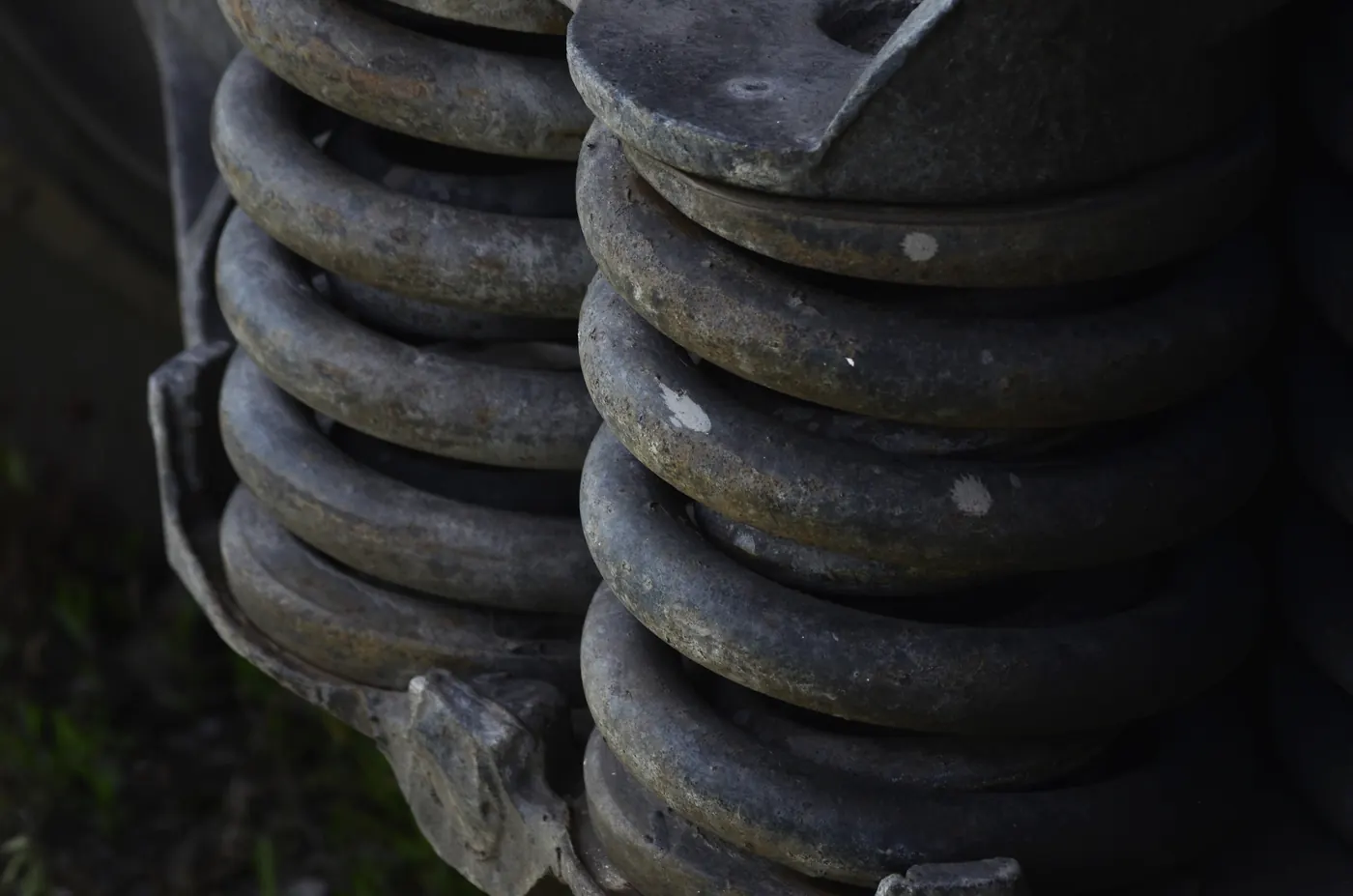
- Visible rust, stretched coils or gaps between coils on an older spring
If you see any of these, stop using the opener and keep everyone clear of the door. Running an opener against a broken spring can damage the motor, strip gears, bend the door's top section and strain the cables.
Torsion Springs vs. Extension Springs
Residential garage doors use one of two spring systems. Knowing which you have helps explain how your door works and what a replacement involves.
Torsion Springs
Mounted on a steel shaft directly above the door opening, torsion springs twist to store energy. As the door opens, the springs unwind and turn the shaft, which rotates cable drums at each end. They provide smooth, controlled lift and are standard on most newer homes in Germantown.
Extension Springs
Found on many older doors, extension springs run alongside the horizontal tracks and stretch as the door closes. They pull on cables through pulleys to help lift the door. They should always have safety cables threaded through them to contain the spring if it breaks.
Single vs. Double Torsion
Lighter single-car doors sometimes use one torsion spring. Most two-car doors use two, which share the load and keep the door from crashing if one breaks. We may recommend converting a heavy door from one spring to two.
Converting Systems
Some homeowners with older extension spring setups choose to convert to torsion springs for smoother operation and better containment. We can explain whether that makes sense for your door and track layout.
Cycle Life and Why Springs Wear Out
Every spring is rated for a certain number of cycles. One cycle is one full opening and one full closing. Standard residential springs are often built for around ten thousand cycles, which sounds like a lot until you do the math. A household that uses the garage as its main entrance might open and close the door four or five times a day. At that pace, a standard spring can reach the end of its rated life in five to seven years, and sooner in a busy home with several drivers.
With every cycle, the steel flexes and recovers. Over time, microscopic fatigue builds inside the wire until the spring finally snaps, usually at a point where it has been stressed the most. Rust speeds this up. Surface corrosion creates weak spots and adds friction between the coils, which is one reason we recommend lubricating springs a couple of times a year.
Spring size matters as much as quality. A spring that is too small for the door is overworked from day one and wears out early. Some homes in Germantown still have springs that were sized for the original door, even though a heavier insulated door was installed later. Part of our job is checking that the wire size, inside diameter and length match the actual weight of your door.
Why Springs Snap in Wisconsin Cold
Ask any garage door technician in southeastern Wisconsin and you will hear the same thing: broken spring calls surge during cold snaps. When temperatures drop well below zero, steel becomes less tolerant of stress. A spring with built-up fatigue that might have lasted a few more weeks in mild weather can break on the first frigid morning.
Cold also increases the load on the springs indirectly. Frozen weather seals can stick the door to the floor, so the system pulls harder before the door breaks free. Thickened lubricant makes rollers and hinges stiffer. Road salt and slush carried into the garage from Mequon Road, Pilgrim Road and the Highway 41/45 corridor create humid, corrosive conditions that add rust to the coils over the winter. Together, these factors explain why Germantown homeowners so often discover a broken spring on a cold weekday morning.
If your springs are aging, replacing them in the fall on a planned visit is usually less stressful than dealing with a surprise in January. If a spring has already broken and your car is trapped, our same-day repair service is designed for exactly that situation.
How We Replace Garage Door Springs
Spring replacement involves controlled release and reapplication of a lot of stored energy. We follow a careful, consistent process every time.
- Secure the door. We make sure the door is fully down or safely clamped in place and disconnect the opener so nothing moves unexpectedly.
- Identify and measure. We confirm the spring type and measure wire size, inside diameter, length and wind direction, and we consider the door's weight and height.
- Release tension safely. Using proper winding bars and procedures, we unwind any remaining tension from the old springs before removing them.
- Inspect related parts. With the springs off, we check the cables, drums, center bearing, end bearings and shaft for wear. Worn cables and drums are often replaced at the same time.
- Install and wind new springs. We install correctly sized springs and wind them to the proper number of turns for your door's height and weight.
- Balance and test. We test the door by hand, fine-tune the tension, lubricate the springs and hardware, reconnect the opener, and check the force settings and auto-reverse.
Heard a Loud Bang From the Garage?
A broken spring makes your door dangerously heavy. Stop using the opener, keep everyone clear and call [Phone Number]. We will replace your springs safely, balance the door and give you an upfront price before work starts.
Get a Free QuoteWhy We Recommend Replacing Springs in Pairs
If your door has two torsion springs and only one broke, it is natural to wonder why both should be replaced. The answer comes down to wear. Both springs were installed at the same time and have gone through the same number of cycles. When one breaks, the other is usually close behind. Replacing just one often leads to a second service call within months.
Pairing a new spring with an old one also makes balancing harder. The two springs have different strengths and will fatigue at different rates, which can cause the door to drift or lift unevenly. Replacing both keeps the door balanced, shares the load evenly, and resets the clock on the whole system. The same logic applies to extension springs: we replace them as a matched set.
Spring Options, Including High-Cycle Springs
Not every household needs the same spring. We explain the options so you can choose what fits how you use your garage.
Standard Springs
Correctly sized standard-cycle springs are a good fit for homes where the garage door is used a few times a day. They restore normal operation at a lower upfront cost.
High-Cycle Springs
High-cycle springs use larger wire and longer coils to spread out stress, so they last through many more cycles. They make sense for busy households, homes where the garage is the main entrance, and doors you plan to keep for a long time.
Coated Springs
Some springs come with protective coatings that resist rust. In garages that see a lot of winter moisture and road salt, a coated spring can help slow corrosion.
The right choice depends on your door's weight, how often you use it and how long you plan to stay in the home. We give you an upfront price for each option and explain the warranty on parts and labor at the visit.
Safety and the Simple Balance Test
Please do not try to adjust, wind, unwind or replace torsion springs yourself. The stored energy in a wound spring is enough to cause serious injury if a winding bar slips or the wrong tool is used. The same caution applies to spring-tensioned cables and the drums on the spring shaft. Leave all of these to a trained technician.
There is, however, a simple and safe way to check whether your springs are doing their job. With the door fully closed, pull the emergency release cord to disconnect the opener. Lift the door by hand to about waist height and gently let go. A well-balanced door should stay roughly in place or move only slightly. If it slams down, shoots up or feels very heavy to lift, the springs are out of balance or worn. Close the door, reconnect the opener and give us a call. Do not do this test if you already suspect a broken spring, because the door may be too heavy to control.
Springs work closely with cables and drums, so a spring problem can affect those parts too. Learn more about garage door cable repair and drum replacement.
Why Germantown Homeowners Trust Us With Springs
We are a local company serving Germantown and nearby communities including Menomonee Falls, Richfield, Jackson, Colgate, Hubertus, Lannon, Mequon, Sussex, Cedarburg and West Bend. We carry a range of common spring sizes so many replacements can be completed in a single visit, and we work on most major door brands. You get a clear explanation, an upfront price before work starts, and a door that is properly balanced when we leave. If we notice other issues during the visit, we point them out honestly so you can decide what to do about them, and our broader garage door repair service can handle the rest.
Garage Door Spring Replacement FAQ
How long do garage door springs last?
It depends on the spring's cycle rating and how often you use the door. Standard springs are often rated for around ten thousand cycles, which can mean several years of normal use. High-cycle springs are built to last considerably longer.
Can I open my garage door with a broken spring?
It is not recommended. The door becomes extremely heavy and can fall suddenly. Using the opener can damage the motor and other parts. Keep the door closed if you can and call for service.
Should I replace both springs if only one broke?
In most cases, yes. Both springs have the same amount of wear, so the remaining one is likely to fail soon. Replacing them as a pair keeps the door balanced and avoids a second service call.
Are high-cycle springs worth it?
They are a good value for busy households or homes where the garage is the main entrance. If you use the door only occasionally, correctly sized standard springs may be all you need. We will help you decide.
Why do springs break more often in winter?
Extreme cold makes steel less forgiving, and worn springs are more likely to snap under stress. Frozen seals and stiff hardware also add load. Late fall is a good time to have older springs checked.
Do you replace cables when you replace springs?
We inspect the cables every time. If they are frayed, rusted or stretched, we recommend replacing them during the same visit, because the springs are already de-tensioned and it saves another trip.